
thread-safe queue
thread safe queue with mutex
recall queue 的实现:
void enqueue(node* new_element) {
    node* ptr;
    // find tail of queue
    for (ptr = head; ptr->next != NULL; ptr = ptr->next) {}
    // add new element to tail of queue
    ptr->next = new_element;
    new_element->next = NULL;
}


node* dequeue() {
    node* ptr = NULL;
    // if something on queue, then remove it
    if (head->next != NULL) {
        ptr = head->next;
        head->next = head->next->next;
}
这是个 correct queue (假设 enqueue, dequeue 的顺序不重要, 只要 either one gets it), 但却不是一个 safe queue, 当存在 multiple threads share 这个 queue 时.
最显然的问题: 如果 enqueue 的 for (移动 ptr 到 tail) 和 dequeue 的 remove 混了怎么办? 我们很可能 remove 错误的元素.
因而, 首先肯定要确保 enqueue 和 dequeue 的过程中是没有其他操作的, 尽量让它变得 atomic. (lock 起来)
mutex queueMutex;
void enqueue (node* new_element) {
    queueMutex.lock();
  	//<>
    node* ptr;
    for (ptr=head; ptr->next != NULL; ptr = ptr->next) {}
    ptr->next = new_element;
    new_element->next = NULL;
  	//<>
    queueMutex.unlock();
}
node* dequeue() {
    queueMutex.lock();
  	//<>
    node* ptr = NULL;
    if (head->next != NULL) {
        ptr = head->next;
        head->next = head->next->next;
    }
  	//<>
    queueMutex.unlock();
    return(ptr);
}
Thread-safety invariants
反例: 提前 unlock 使得 implementation 不再 thread-safe
提问: 我们是否能再减小 critical section 区域, 把 unlock 行为前移呢?
假设我们把 unlock 前移一格:
mutex queueMutex;
void enqueue (node* new_element) {
    queueMutex.lock();
  	//<>
    node* ptr;
    for (ptr=head; ptr->next != NULL; ptr = ptr->next) {}
    ptr->next = new_element;
    //<>
    queueMutex.unlock();
    new_element->next = NULL;
}
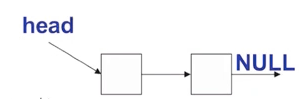
这个时候, 如果 enqueue unlock 完来一个 dequeue, 我们可以验证是没问题的; 但是我们会发现一个问题: 如果 enqueue unlock 完再来个 enqueue, 并且 thread 速度更快 (比 new_element->next = NULL; 更快速执行), 那么, 由于刚才的 new_element 的 next pointer 还没有被设定为 NULL (目前指在内存中的随机的 garbage location), 我们新 enqueue 的 ptr->next != NULL 的判定条件就会判定不到, 从而 undefined behavior.
于是出现了 Hessianbug.
正确:
错误:
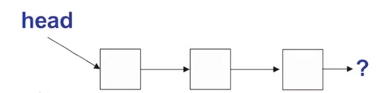
借由这个反例: 什么时候我们可以 unlock thread 呢? 仅当 queue 在 safe state 时.
"Safe state" 就是我们说的 Thread-safety invariants: 对于我们要求的场景, 总是 true 的事情.
比方说: 在上述场景中, 作为一个 linked list, 每个 node 都必须 apper exactly once, 以及 last node 必须指向 NULL, 就是 invariant
注意: invariants 并非一直要是 true 的, 而是在 lock 被打开时必须是 true 的.
意思是说我们只有在 invariants 确保 true 了之后才可以打开 lock. (但是在 lock held 期间内可以短暂地 false)
再换句话说: 只有正在 holding lock 的 thread 可以 break invariants.
一个好的建议是: hold lock whenever 操控共享数据.
即便你的 thread 对 invariantes 只是在 read, 你也要 lock. 这是因为, 其他 thread (其他代码) 可能会在你 read 时改变它.
fine-grained locking: 需要 hand-over-hand
一个在 project 4 中会有用的技术:
我们考虑 fine-grained locking: instead of 对于整个 queue 使用一个 lock, 我们可以更加 fine-grained: 对于每个 node 都使用一个 lock.
这样精细化的好处是: 单个 lock 的范围更小, 更加灵活。
当我们 lock 住一个 node 的相关操作时, 空余的 threads 可以对其他不相干的 nodes 做操作, 增加了效率. 这是类似“只锁自己家门” vs “全小区只有一个大门”的区别。
我们查看下面这个流程: (为了简洁, 我们这里使用和每个 node 名字相同的 nodelock 名, 但是实际肯定不同)
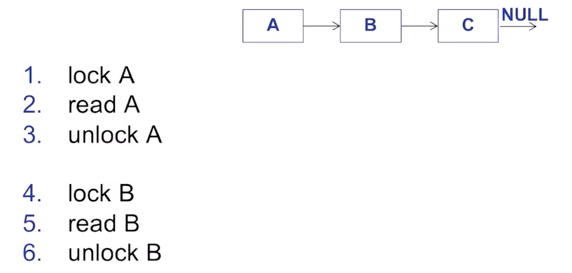
可以发现一个问题: 在 unlock A 和 lock B 中间, 这一段是不安全的: B 的锁此时是打开的, 很容易在中间插入破坏 B 的操作
(这里我们的代码想要的是: 先连续 traverse 这些 nodes 作为一个整体操作, 然后其他 threads 再做其他操作, 但是这个漏洞导致其他操作可能闯入到 traverse to B 的时间, 对 B 进行修改, 比如把它删了, 使得整个程序出错, 可能会 memory leak 或者 invalid access 等)
Example: 假设有两个 threads 同时 visit 这个 linked list, 一个 traverse, 一个修改一个 node.
Thread 1:
lock(A)
... // do something
unlock(A)
lock(B)
Thread 2:
lock(B)
... // modifies or deletes B
 线程 1 在 unlock(A) 之后,还没来得及 lock(B),**B 就被线程 2 改了**,甚至删除了!
这样线程 1 后面对 B 的访问就是 dangling pointer 访问,会造成 segfault 或 data race.
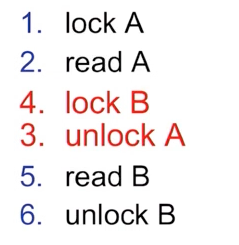
因而我们有一个做法叫 hand-over-hand locking: 先锁住下一个 node, 再打开这个 node 的锁.
another thread-safe queue: dequeue wait if queue empty
我们现在已经有一个 descent 的 thread-safe queue 了.
但是, 我们还可以把它做得更好:
目前, 如果 queue 是 empty 的, 那么 dequeue 仅仅只是 return null 而不做任何其他事情.
但是: 如果我们想要 change interface, 让 dequeue 在 queue empty 时 wait 呢?
基础的操作是这样的: if null, don't just return null, but wait
node* dequeue() {
    // wait for queue to be non-empty
    while(head->next == NULL) {}
    queueMutex.lock();
    // remove element
    ptr = head->next;
    head->next = head->next->next;
    queueMutex.unlock();
    return(ptr);
}
但是, 当然, 这里会出现 synchronization 问题:
在等到一个新的 node enqueue 进来之后, lock 之前,
// wait for queue to be non-empty
while(head->next == NULL) {}
// *
queueMutex.lock();
// remove element
* 的位置, 可以出现另一个 dequeue, 把刚刚 enqueue 进来的 node 给 de 掉.
从而仍然打破了我们这个 "dequeue wait if queue empty" 的 interface.
那么如果我们把 lock() 和 while(...) {} 的等待过程换一下呢?
node* dequeue() {
    queueMutex.lock();
    // wait for queue to be non-empty
    while(head->next == NULL) {}
    // remove element
    ptr = head->next;
    head->next = head->next->next;
    queueMutex.unlock();
    return(ptr);
}
那就更不对了, 因为 enqueue 也有 lock, 于是被卡在了 critical section, 那就永远被卡在 while(...) {} 的等待过程, 没有 enqueue 能进来了.
busy-waiting solution
下面是一个 working solution:
在 while(...) {} 的等待过程中, release lock 并紧接着再次 lock 住, 留出中间的缝隙, 让 enqueue 进来。
node* dequeue() {
    queueMutex.lock();
    // wait for queue to be non-empty
    while(head->next == NULL) {
      queueMutex.unlock();
      queueMutex.lock();
    }
    // remove element
    ptr = head->next;
    head->next = head->next->next;
    queueMutex.unlock();
    return(ptr);
}
这样, 即便在
queueMutex.unlock();
queueMutex.lock();
中间有 enqueue, dequeue 插入进来, while loop 的条件仍然奏效 (过后仍然 empty), 因而保持了总体的 dequeue 仅在 empty 时插入进来
(虽然多个 dequeue 的运行顺序可能会被偷鸡置换, 但是无所谓, 总体的 enqueue 和 dequeue 数量是相等的.)
从而实现了 interface.
(如果 dequeue 的 thread 运行指令总是比 enqueue 更快, 导致 enqueue 无法插入 unlock 和 lock 之间呢? 实践中不可能, 所以不要担心这个问题)
这里我们的解决逻辑实际上是: 设定了一个条件 (while(head->next == NULL)), 让当前的 thread 在 dequeue 这里 waiting, 允许其他 threads 插入进来, 一直到条件被满足为止, 才唤醒当前的 thread.
相当于: 暂时 put 当前的 thread 停滞, 让其他 threads 先运行.
刚才我们的 solution, 造成的是 busy waiting: 虽然我当前的 thread 1 在 waiting, 但是它在 wait 的过程中持续 being busy (持续地 grabing 和 releasing lock)
这是不可避免的, 这是当前我们能够达到的最好的 solution (因为当前我们的任意一个 thread 一直在持续运行, 要么往下, 要么自旋.)
而 OS 中有另一个方法, 来改善这个问题: condition variable.
condition variable 的作用类似于这个过程但是更节约资源.
它做的事情是: under 一定的 condition 下, put 一个 thread to sleep (而不只是被阻塞, which 占用 cpu 时间片 和电源的资源), 让其他 threads 先运行,
synchronization II: ordering
这里我们就发现了第二种 synchronization: ordering
mutual exclusion 无法有效地解决我们的 "dequeue waiting" 问题, 因为在 mutual exclusion 中, 执行顺序是完全无关紧要的.
而在我们的这个问题中, 我们发现: 在 "queue empty" 这个条件下, 我们必须在 dequeue 前, 先 enqueue.
简而言之: "one thread waits for another to do something"
实现 ordering 的工具就是 condition variable: 针对一个 lock, 在一定条件下, 让一个 thread 打开 lock, 并 wait in sleeping, 直到条件被打破, 再重新获得锁, 然后继续做它的事情.
但是在讲解 condition variable 前, 我们先来思考一下: 假设存在一个 sleep 机制, 使得 wait 不需要 busy, 那么结构应该如何?
waiting with "sleep"
-
首先, 应该有一个 waiting list. 当我想要一个正在 dequeuer 的 thread 进入睡眠状态 waiting 时, 把它放进 waiting list 中
c++ if (queue is empty) { add myself to waiting set go to sleep and wait for wakeup } -
在一个 thread 进入 sleeping 状态时, 它得 release 它自己的 lock (否则其他有同一个 lock 的 critical section 的代码无法在它 sleep 期间运行)
-
得有另一个 thread 来叫醒它
这里, 叫醒 dequeuer 的就是 enqueuer
我们看向这一段代码:
original idea
void enqueue()
    lock
  	// <>
    add new item to tail of queue
    if (dequeuer is waiting) {
        remove waiting dequeuer from waiting set
        wake up dequeuer	// 叫醒
    }
		// <>
    unlock
node* dequeue ()
    lock
    // <>
    if (queue is empty) {
        add myself to waiting set
        go to sleep and wait for wakeup //被叫醒后继续往下
    }
    remove item from queue
    // <>
    unlock
这个代码有以下这个 fundamental bug:
没有遵守我们刚才说的第二点: 不能 sleep with a lock held! sleep 时必须 unlock
并且, unlock 必须放在 add myself to waiting set 之后, 因为 unlock 完之后程序就进入了最脆弱的点: 其他 threads 的操作都可能见缝插针.
如果在 add myself to waiting set 前就 unlock 了, 那么可能: 刚 unlock 完, 就马上有一个 enqueue 插了进来, 但是: 目前并没有 dequeuer 在 waiting, 于是 enqueuer 就插入了一个节点但是却并没有 wakeup 之前的 dequeue。
代码纠正1: 必须在加入 waiting set 前 release lock
因而, 代码需要修改为:
void enqueue()
    lock
  	// <>
    add new item to tail of queue
    if (dequeuer is waiting) {
        remove waiting dequeuer from waiting set
        wake up dequeuer	// 叫醒
    }
		// <>
    unlock
node* dequeue ()
    lock
    // <>
    if (queue is empty) {
        add myself to waiting set
        unlock //<>
        go to sleep and wait for wakeup //被叫醒后继续往下
        lock	//<>
    }
    remove item from queue
    // <>
    unlock
我们仍然发现一个问题:
在我们 adding myself to waiting set 结束然后安全 unlock 之后, 如果在 "go to sleep and wait for wakeup" 之前, 有一个 enqueuer 闯进来把我们的 dequeuer remove 出了 waiting set, 然后虚空 wake up (并未 sleep); 然后 after all of this, dequeuer 才 go to sleep 并 wait for wakeup (尽管这个 alarm 实际上已经响过, 被它错过了), 那怎么办呢?
这个问题, 我们之后会更加底层地讨论如何解决这个问题, 现在我们直接接受一个事实(这个问题被解决后):
condition variable: put ideas together
cv::wait
	// atomic
	1. release lock
	2. put thread onto waiting set
	3. go to sleep (所有 waiting set 上的 threads)
  // atomic
  4. after being woken, acquire lock when lock is free
这个 1,2,3 连在一起是一件 atomic 的事情.
每个 condition variable
- 关联了一个 lock
- 有一个 set of waiting threads
虽然 go to sleep 时是所有 waiting set 上的 threads 一起, 但是 waker 却可以选择叫醒哪些 threads:
cv.signal(thread)
是叫醒一个 waiting thread
cv::broadcast
是叫醒所有 waiting threads
注意事项
-
被唤醒 ≠ 立刻运行。唤醒的是“去尝试拿锁”的资格票。
被 wake 后, 原 waiting set 上的 threads 等待拿到 lock 之后再运行下去.
-
calling
cv.wait时, 必须是 holding lock 的, 因为 cv.wait 中间会 release lock. -
signal和broadcast时, 并不一定要 hold lock, 但是通常 it is natural to do so, 就像 enqueue 中的. (因为通常, signal 的时侯是另一个 thread 做了一些值得注意的事情.) -
recall: releasing lock 期间, invaraint 必须是 true 的! 而
cv.wait的开头就会 release, 因而在 put a thread to wait 时, 必须要确保在这之前不会有什么操作 break invariant!
代码纠正2: 在调用 cv.wait() under some condition 时, 必须是 while the condition
最后一个对我们之前的代码的纠正是: 我们并不应该用 if 语句, 而应该用 while.
这是因为: 虽然
cv::wait
	// atomic
	1. release lock
	2. put thread onto waiting set
	3. go to sleep (所有 waiting set 上的 threads)
  // atomic
  4. after being woken, acquire lock when lock is free
前三步合在一起是 atomic 的, 但是和第四步的衔接不是
且, 其中其实穿插了:
//atomic
1. release lock
2. put thread onto waiting set
3. go to sleep (所有 waiting set 上的 threads)
// atomic
3.5 另一个 thread wake up 了这个 thread
4. after being woken, acquire lock when lock is free
假设在 3.5 和 4 之间:
- enqueuer thread signal 了 dequeuer thread (singal 的叫醒是瞬发的, 打上一个 ready 的记号)
- enqueuer 先运行完并 unlock 了, 此时 dequeuer wake 了但是还没 acquire 到 lock
- enqueuer 先 realease lock, 此时另一个 dequeuer 截胡把这个新的 node 给消耗掉了
- 原先的 dequeuer acquire 到了 lock,继续往下运行, 但是刚来的 node 已经没了, interface 被打破
因而, 我们要把 if 改成 while.
最终代码
mutex queueMutex;
cv queueCV;

void enqueue() {
    queueMutex.lock();
    add new element to tail of queue;
  	queueCV.signal();
    queueMutex.unlock();
}


node* dequeue() {
    queueMutex.lock()
    while (queue is empty)
      	queueCV.wait(queueMutex);
    remove item from queue
    queueMutex.unlock()
    return removed item
}